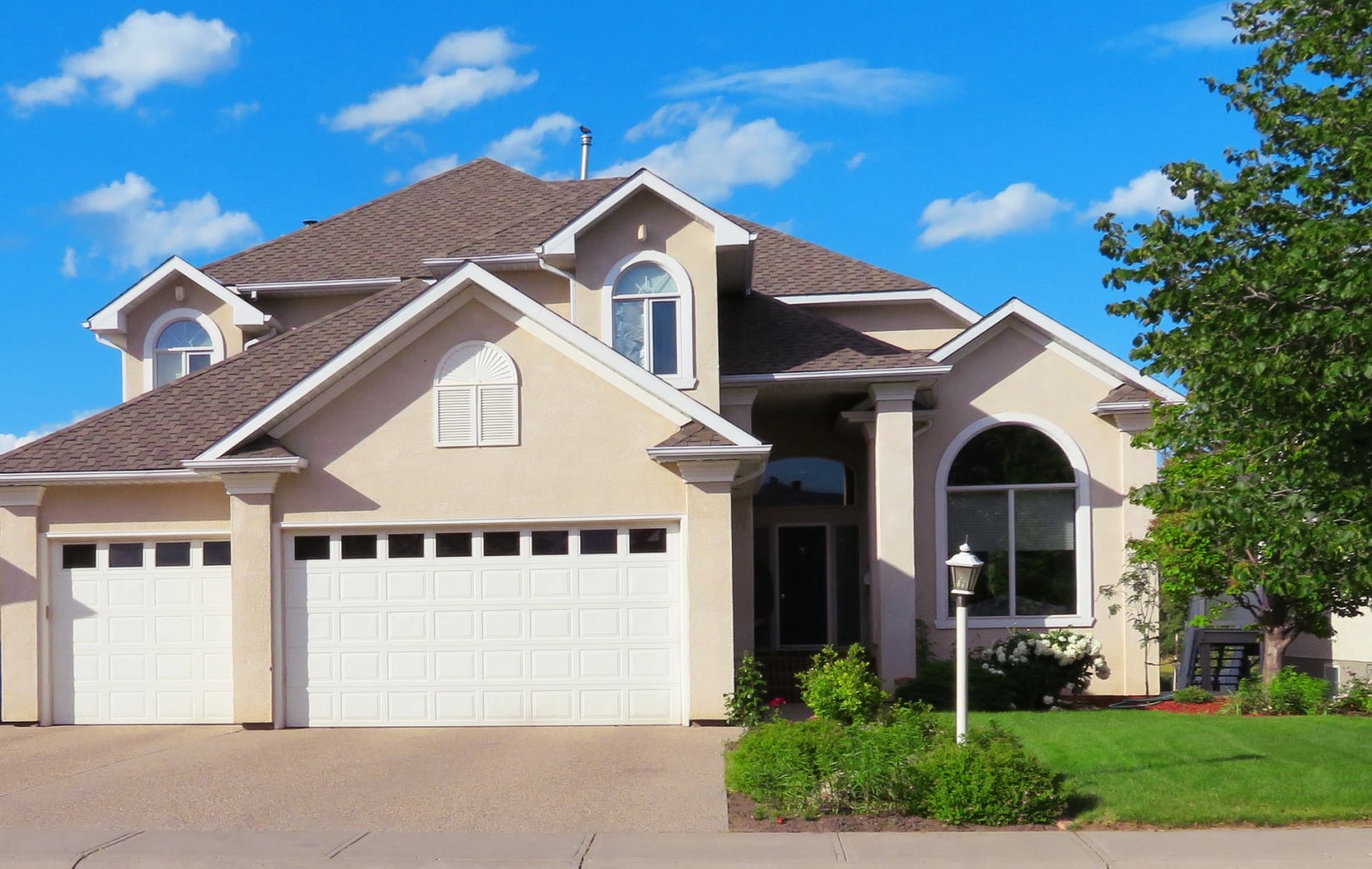
Your Trusted Property Appraisal Partner

Residential & Commercial Appraisals

We provide Certified Property Appraisals in MA & NH. With a passion for excellence and an unwavering commitment to quality, we help you navigate the intricate landscape of residential & commercial appraisals and property valuations.

John Green

"The most important thing is they were professional and reliable."

Sarah Thompson

"The prompt and supportive handling of my real estate appraisal was worth everthing."

Expert
Residential
Appraisals

Our local Methuen Home Appraisal team consists of reliable seasoned professionals ensuring that your home is valued & appraised correctly.

Accurate
Commercial
Appraisals

Our Commercial Appraisal team will meet your timeline and exceed your expectations in ensuring that your business is valued & appraised correctly.

"Professionalism, attention to detail and fast turn around times."

Residential Appraisal Services
Frequently Asked Questions

The value of a residential property is determined using a combination of approaches: the Sales Comparison Approach, the Cost Approach, and the Income Approach (this is not used for owner-occupied homes). The Sales Comparison Approach is the most frequently used method and involves comparing your home to similar properties that have recently sold in the area. Factors such as the size, location, condition, and features of your home are compared to estimate its market value. The Cost Approach estimates the cost to replace the property with a similar one, subtracting depreciation. The Income Approach, used more for rental properties, looks at the income generated by the property to determine its value.

To prepare your home to get the highest possible value in an appraisal, start by making sure it is clean and well-maintained. Address any minor repairs you can, such as leaky faucets, chipped paint, or broken fixtures, as these can negatively impact the perception of your property. Ensure that all major systems (plumbing, electrical, heating, and cooling) are in good working order. Provide a list of recent improvements and upgrades, along with their costs and receipts if you have them. Highlight any unique features or additions that might not be immediately noticeable. Also, consider enhancing curb appeal by fixing up the landscaping and ensuring the exterior looks good and is in good condition.

Renovations and home improvements can significantly impact your property's appraisal value, but the extent of this impact depends on the type of improvement and its quality. Upgrades to kitchens and bathrooms, adding square footage, or enhancing energy efficiency typically provide a good return on investment. However, it's important to note that not all renovations will get you a dollar-for-dollar increase in value. The appraiser will assess the quality of the workmanship, the materials used, and the overall market reaction to these improvements. It's also crucial that the renovations are consistent with the neighborhood standards to maximize their positive impact on value.

Commercial Appraisal Services
Frequently Asked Questions

Commercial properties are appraised using three primary methods: the Income Capitalization Approach, the Sales Comparison Approach, and the Cost Approach. The Income Capitalization Approach is often the most important for commercial properties, as it values the property based on its ability to generate income. This involves analyzing the property's net operating income (NOI) and applying a capitalization rate (cap rate) to estimate its value. The Sales Comparison Approach involves comparing the property to similar commercial properties that have recently sold in the market. The Cost Approach estimates the value by calculating the cost to replace the property with a similar one, subtracting depreciation. Each method provides a different perspective on value and may be weighted differently depending on the property type and market conditions.

Location is a critical factor in the appraisal of a commercial property. Properties located in prime locations, such as those with high foot traffic, excellent visibility, and easy access to transportation, tend to have higher values. The surrounding area's economic conditions, zoning regulations, and the presence of complementary businesses also play significant roles. Appraisers consider the property's proximity to amenities, the quality of the neighborhood, and potential future developments. Additionally, the location's desirability to tenants and buyers can influence the property's income potential, which is a key consideration in the Income Capitalization Approach.

The cap rate, or capitalization rate, is critical in valuing commercial real estate using the Income Capitalization Approach. Several factors influence the cap rate, including the overall market conditions, the type of property, its location, and the perceived risk associated with the property. Properties in high-demand areas with low vacancy rates typically have lower cap rates, indicating higher values. Conversely, properties in less desirable areas or with higher vacancy rates tend to have higher cap rates, reflecting lower values. The property's condition, the stability of its income stream, and the creditworthiness of its tenants also impact the cap rate. Additionally, broader economic factors, such as interest rates and investor sentiment, play a role in determining cap rates.


Call Us

Email

info@pointhomeappraisals.com

Hours

Monday - Friday
9am - 5pm
Saturday - Sunday 
10am - 2pm

Send us a message!


© Copyright 2024 Point Appraisals - All Rights Reserved